Water Damage Services Brisbane – 24/7 Emergency Service

Certified Water Damage, Flood Cleanup & Mould Remediation Specialists in Brisbane. Insurance-Approved, IICRC-Trained Technicians Ready to Respond Within 60 Minutes.

Get Your Free Estimate

IICRC Certified Technicians

Fully Insured & Public Liability Covered

Direct Insurance Billing Assistance

Available 24/7 Across Brisbane

When a washing machine hose fails in a West End apartment, it can silently release hundreds of litres of water, saturating floor coverings and seeping into neighbouring units. When a summer supercell storm forms over the inner west and lashes suburbs like The Gap, it doesn’t just flood creeks; it forces torrential rain through aging tiled roofs and into the wall cavities of post-war homes. These are the realities of water damage in Brisbane, where our subtropical climate, unique building styles, and flood-prone geography create specific and urgent problems.


Our teams are dispatched across Brisbane 24/7 to address these exact scenarios. We are not a generalist building company; we are IICRC-certified water damage restoration specialists. Our work focuses entirely on the disciplined process of water extraction, structural drying, and property restoration according to the globally recognized IICRC S500 standard, now adapted as the Australian AS-IICRC S500. From a burst water heater in a classic Queenslander in Paddington to a flooded commercial basement in Rocklea after overland flow, our single goal is to mitigate damage, prevent mould, and restore structural integrity with documented, verifiable methods.

Why Brisbane Property Owners Rely On Our Restoration Expertise

Effective water damage restoration requires deep knowledge of Brisbane’s building stock and climate. Many suburbs across the city are built on reactive clay soils that shrink and swell with moisture changes, potentially impacting foundations when drainage is compromised by intense rainfall. Our technicians understand these local risks. We don’t just remove the visible water; we use thermal imaging and moisture meters to identify the full extent of moisture migration, from modern high-rises in the CBD to Queenslander homes on stumps in Ashgrove.


Our team consists of trained employees, not a call centre dispatching unknown subcontractors. When you call us, you speak with someone who understands psychrometrics, the science of drying in high humidity, and the IICRC S500 standard. We provide clear communication from the initial assessment to the final clearance testing, complete with the detailed reports required by Australian insurance providers like Suncorp, RACQ, and Allianz. We have direct experience navigating claims related to the 2011 and 2022 flood events.

Our IICRC-Certified Water Damage Services in Brisbane

Water Damage Restoration

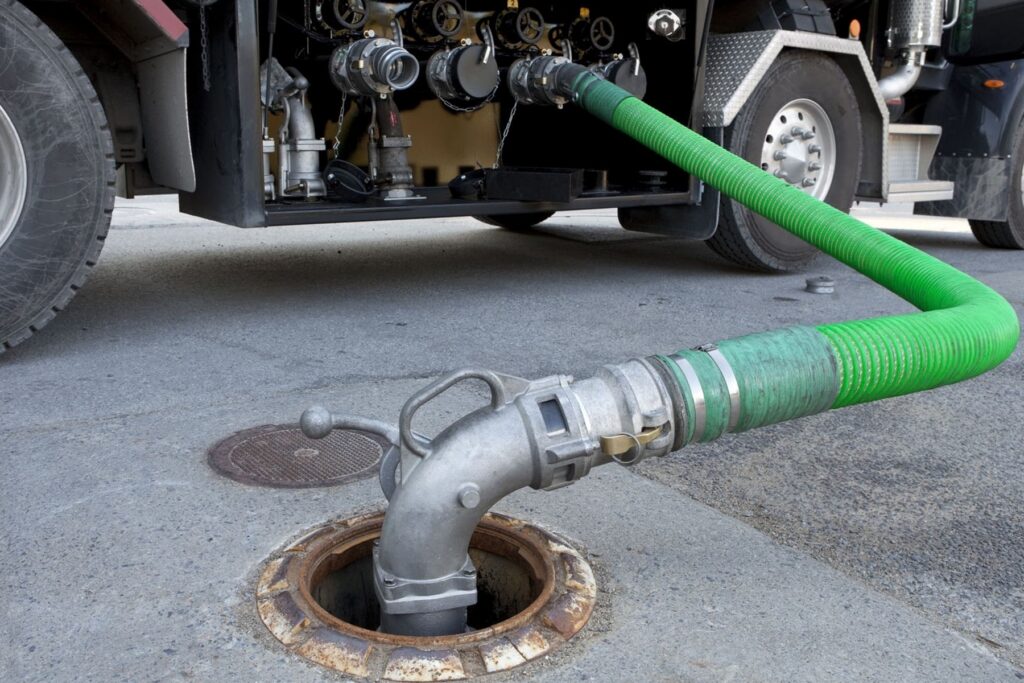
This is our core discipline. We manage the entire lifecycle of a water loss event, beginning with rapid water extraction using high-CFM truck-mounted units. We then deploy FLIR thermal imaging cameras and non-invasive moisture meters to map the extent of water migration in walls, floors, and ceilings. This diagnostic step is crucial for preventing hidden mould growth, especially in Brisbane’s humid climate, and ensuring a complete dry-down.

Flood Damage Restoration

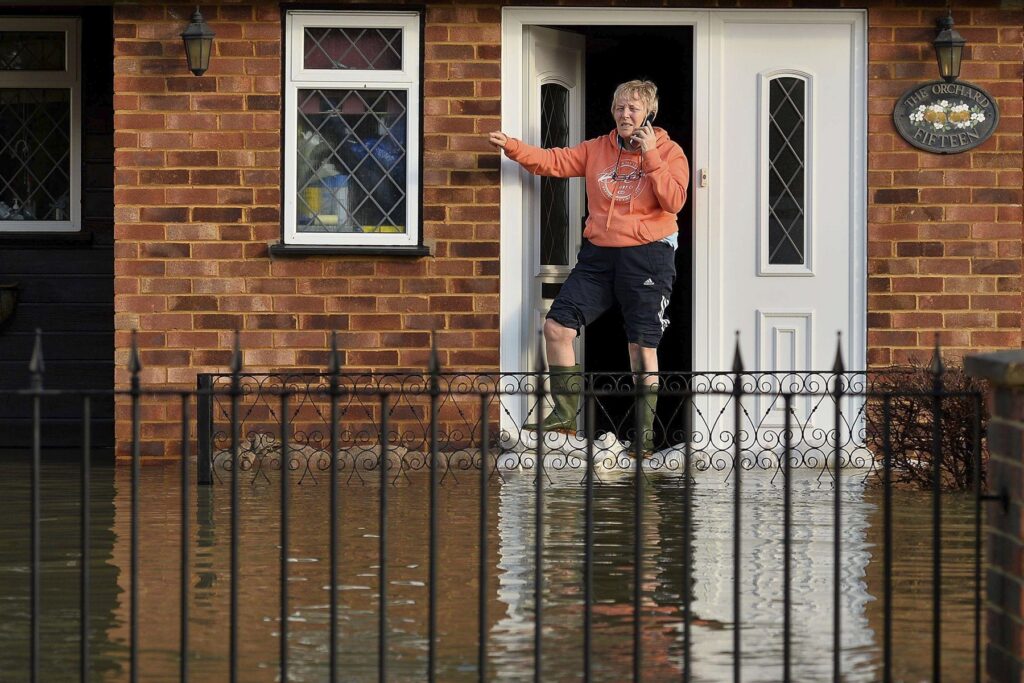
Whether from a kitchen pipe burst releasing over 20 litres per minute, or riverine flooding impacting low-lying areas along the Brisbane or Bremer Rivers, our flood response protocol is immediate. The 2011 and 2022 floods showed how quickly creek systems like Kedron Brook and Enoggera Creek can rise, creating complex contamination issues. We classify the water category (clean, grey, or black), establish containment, and begin removing bulk water. The process includes aggressive sanitisation and rapid drying to stabilise the property and mitigate long-term structural risks.

Storm Damage Restoration

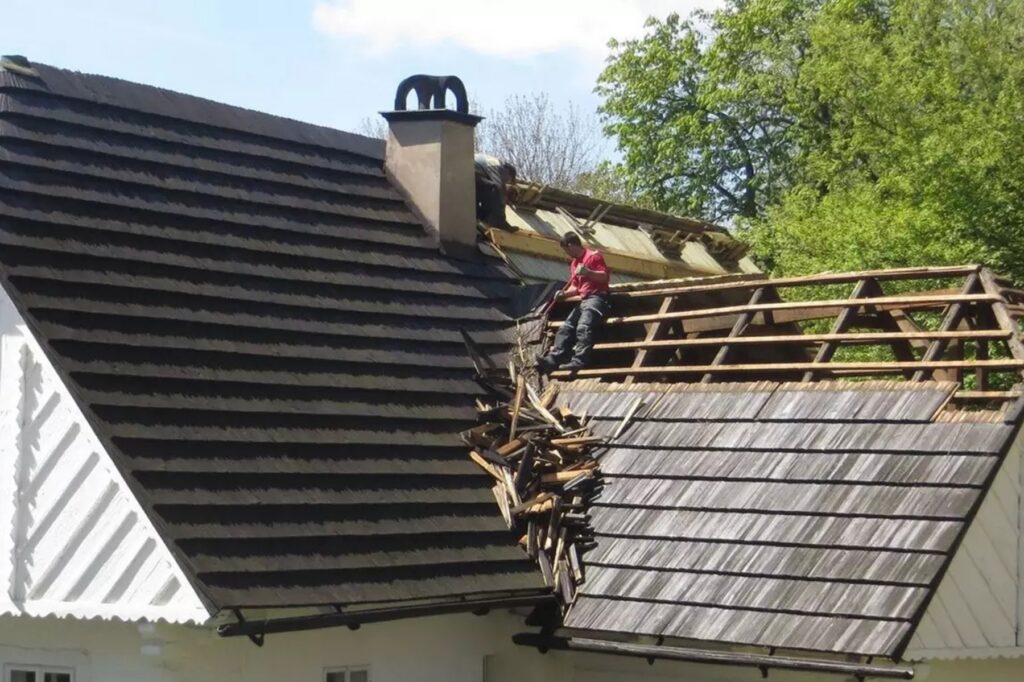
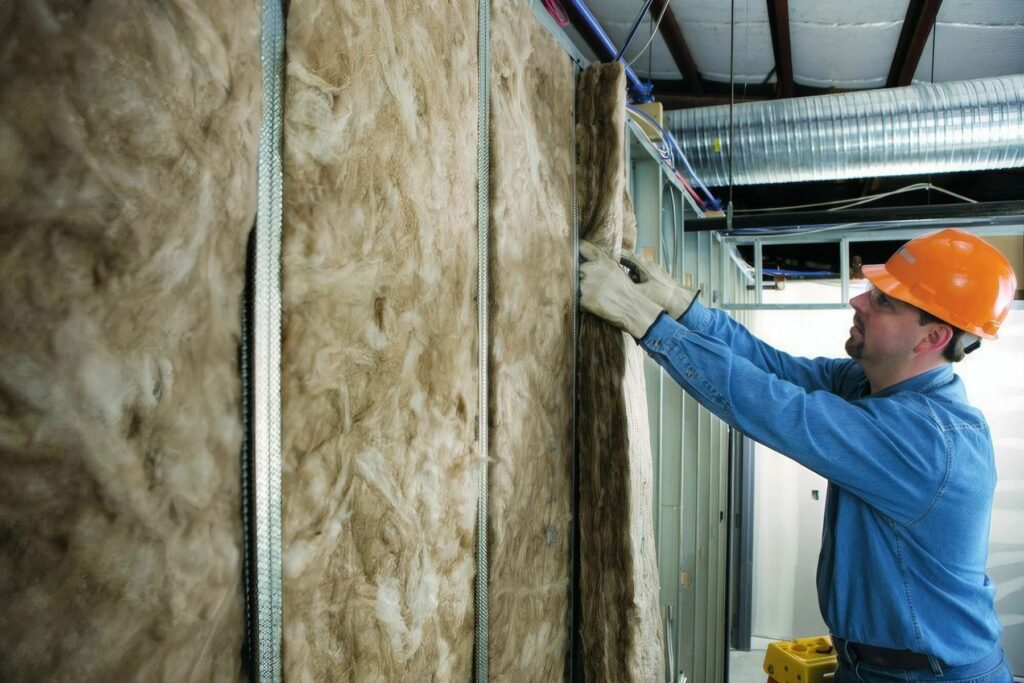
Brisbane’s storm season from November to March brings intense rainfall, hail, and high winds that compromise roofing, windows, and cladding. Our storm response teams are equipped for emergency make-safes, roof tarping, and water extraction. We focus on securing the property to prevent further intrusion before beginning the structural drying process, addressing water that may be trapped in wall cavities and insulation of both modern brick veneer and older timber homes.

Contamination Cleanup

We are trained and equipped to handle contaminated water events. This includes “grey water” (Category 2) from washing machine overflows and “black water” (Category 3) from sewage backups or overland flow flooding common in Brisbane. Handling Category 3 water, which contains dangerous pathogens, requires specific PPE and containment protocols to protect occupants, followed by aggressive sanitisation and disposal of unsalvageable materials according to Queensland Health regulations.

Structural Drying

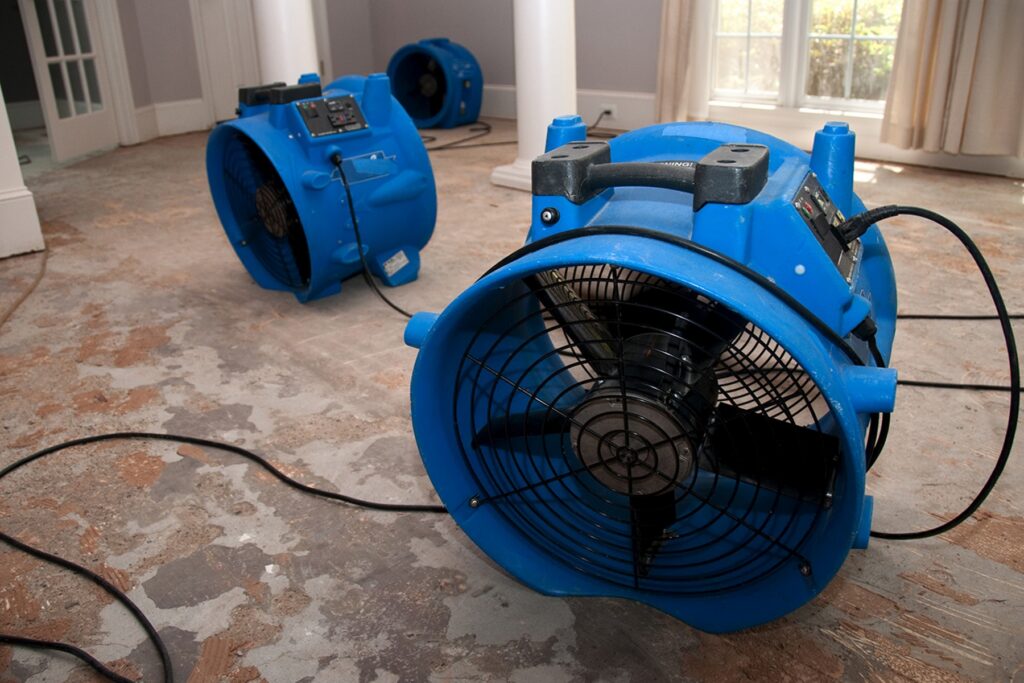
This is a scientific process, particularly in Brisbane’s humidity. As Applied Structural Drying (ASD) specialists, we create controlled drying environments using a balance of dehumidification (Low-Grain Refrigerant and desiccant units), airflow (axial and centrifugal air movers), and temperature management. We constantly monitor moisture content in materials like plasterboard, VJ timber walls, and concrete sub-floors to ensure we meet established drying goals without causing secondary damage like warping or cracking.

Specialised Materials

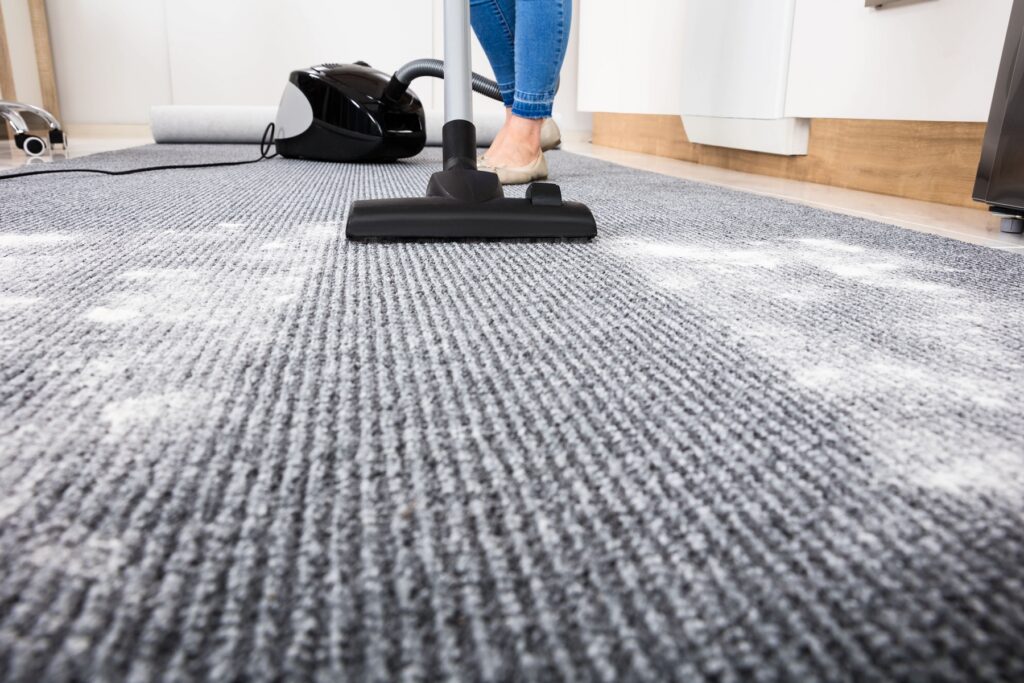
Different materials require different approaches. We can often save wet carpets using weighted “roller” extractors and floating the carpet with air movers. For the polished timber floors common in many Queenslanders, we may use specialised floor drying mats that pull moisture directly from the boards. We document which materials, like plasterboard or insulation impacted by Category 3 flood water, must be removed and replaced according to the S500 standard. We have specific experience with drying traditional VJ (Vertical Joint) panelling to prevent warping and mould growth between boards.

Odour Removal

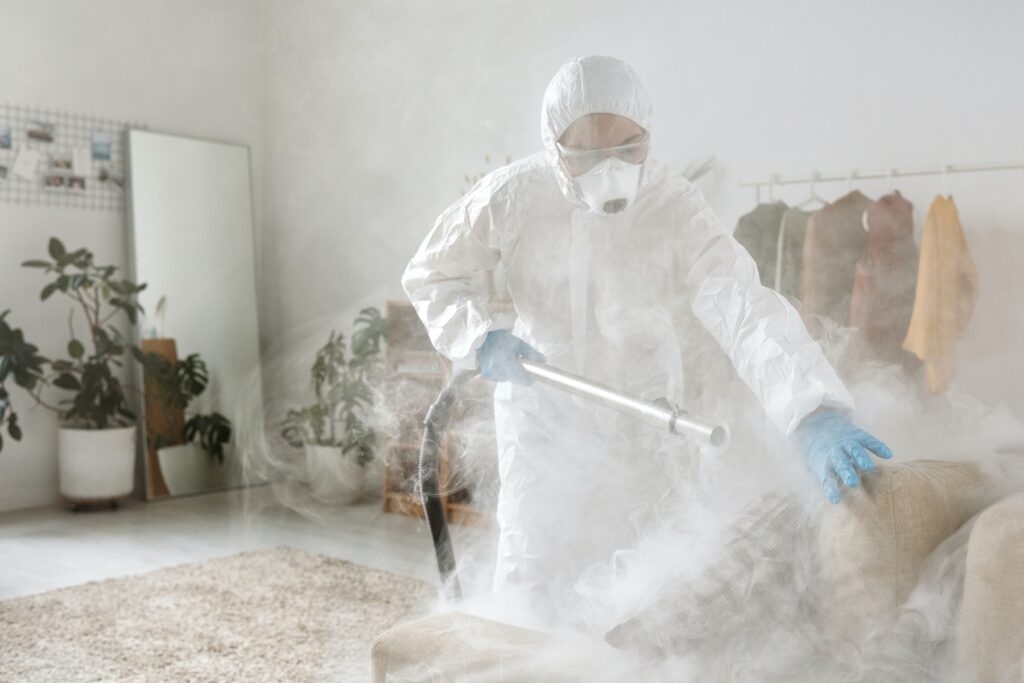
Musty odours are a sign of lingering microbial activity, a common problem in Brisbane’s subtropical climate. After drying is complete and verified, we use technologies like hydroxyl generators or thermal fogging to neutralise persistent odours from water damage and mould, restoring healthy indoor air quality.

Mould Remediation

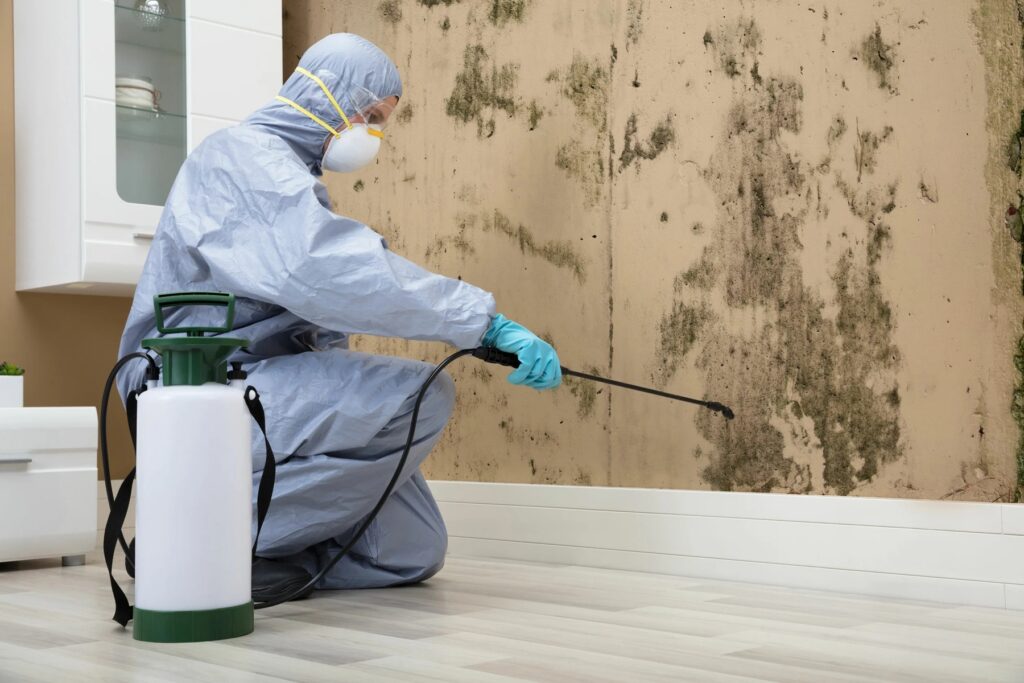
Mould growth can begin within 24-48 hours of a water event, a timeline accelerated by Brisbane’s warmth and humidity. Our mould remediation process follows the stringent IICRC S520 standard. This involves containing the affected area, using HEPA-filtered air scrubbers to capture airborne spores, physically removing the visible mould, and treating the source of the moisture to prevent recurrence.

What Our Clients Say

We have assisted hundreds of Brisbane homeowners and businesses, delivering successful water damage restoration across residential and commercial properties.

Sarah M.
Sarah M.
Paddington
Read More
The old water tank under our Queenslander rusted through and leaked everywhere. I was worried about the stumps and the floorboards. The team from Water Damage Brisbane was here within 90 minutes. They explained it was 'Category 2' water and immediately started pumping out the sub-floor area. They set up huge dehumidifiers and gave us daily moisture readings for our RACQ insurance claim. Incredibly thorough and professional.
Daniel H.
Daniel H.
New Farm
Read More
A huge summer storm caused water to pour through a leak around our skylight. The visible stain on the ceiling was small, but the technician's thermal camera showed water had spread right across the ceiling cavity. They dried the plasterboard and timber trusses from above and below, preventing a huge mould problem. The final report was so detailed it made the insurance process easy.

Priya P.
Priya P.
Rocklea
Read More
Our warehouse backs onto a creek and was hit by overland flow during the last big downpour. The water was contaminated, and we were facing a massive business interruption. They handled everything, from the initial containment and extraction to coordinating with our property manager and insurance assessor. They understood the urgency and restored the space safely and efficiently, getting us back open faster than we thought possible.


Servicing Homes and Businesses Across the Greater Brisbane Area

Your IICRC-Certified Restoration Partner in Brisbane

Our lead technicians are certified by the Institute of Inspection, Cleaning and Restoration Certification (IICRC), the global body that sets the standards for our industry. This certification isn’t a simple online course; it requires rigorous training, examinations, and a commitment to ongoing education in the science of psychrometry (the study of drying) and microbiology. When you engage our team, you are engaging professionals accountable to an international standard of care.

Adherence to the Australian AS-IICRC S500 Restoration Standard

We strictly follow the procedures outlined in the AS-IICRC S500 Standard for Professional Water Damage Restoration. This framework governs how we assess the class and category of water loss, establish drying goals, manage contamination, and document the entire process. Adhering to this standard is your assurance that the job is not just visibly dry, but scientifically dry. It protects your property’s structural integrity and provides your insurance company with the evidence it needs to process your claim correctly.

Frequently Asked Questions About Water Damage Restoration in Brisbane

Our goal is to have a technician on-site within 60-90 minutes for emergencies across the Brisbane metropolitan area. Fast action is critical to mitigating damage, especially with the high humidity which can accelerate mould growth.

Your safety is the first priority. If safe, turn off the mains water supply and electricity to the affected areas. Do not use household vacuum cleaners to remove water. Avoid walking on saturated carpet, especially if the water source could be from a sewage or flood event (black water). Call a certified restoration professional immediately.

Drying typically takes 3 to 5 days, but this can vary significantly in Brisbane’s climate. The timeframe depends on the extent of the damage (Class 1 to 4), the materials affected (timber VJ walls vs. plasterboard), and the persistent humidity. We only remove equipment once moisture meter readings confirm the structure has returned to its normal, pre-loss moisture content.

A musty smell indicates that moisture or microbial growth is still present. Our process is not complete until both the structure and the air are returned to a normal state. We use moisture meters to confirm dryness and, if necessary, deploy hydroxyl generators or other deodorisation technologies to ensure no lingering odours remain.

Brisbane City Council’s Flood Awareness Map designates Flood Planning Areas (FPAs) which may have specific requirements for building and repairs. We are experienced in working within these guidelines and can provide the necessary documentation for compliance and insurance, referencing events like the 2011 and 2022 floods.

In many cases, yes. It depends on the category of water and how long they have been wet. We use specialised floor-drying mats that create a vacuum to pull moisture directly from the timber boards and subfloor. The key is acting fast to prevent permanent warping or cupping.

Immediate 24/7 Dispatch for Water Damage Emergencies

Water damage doesn’t wait for business hours. Whether it’s a burst pipe at 2 AM in an office building or a flooded laundry during a Sunday afternoon storm, our team is ready.

Scroll to Top